Push-Button Gear Change Adaptation
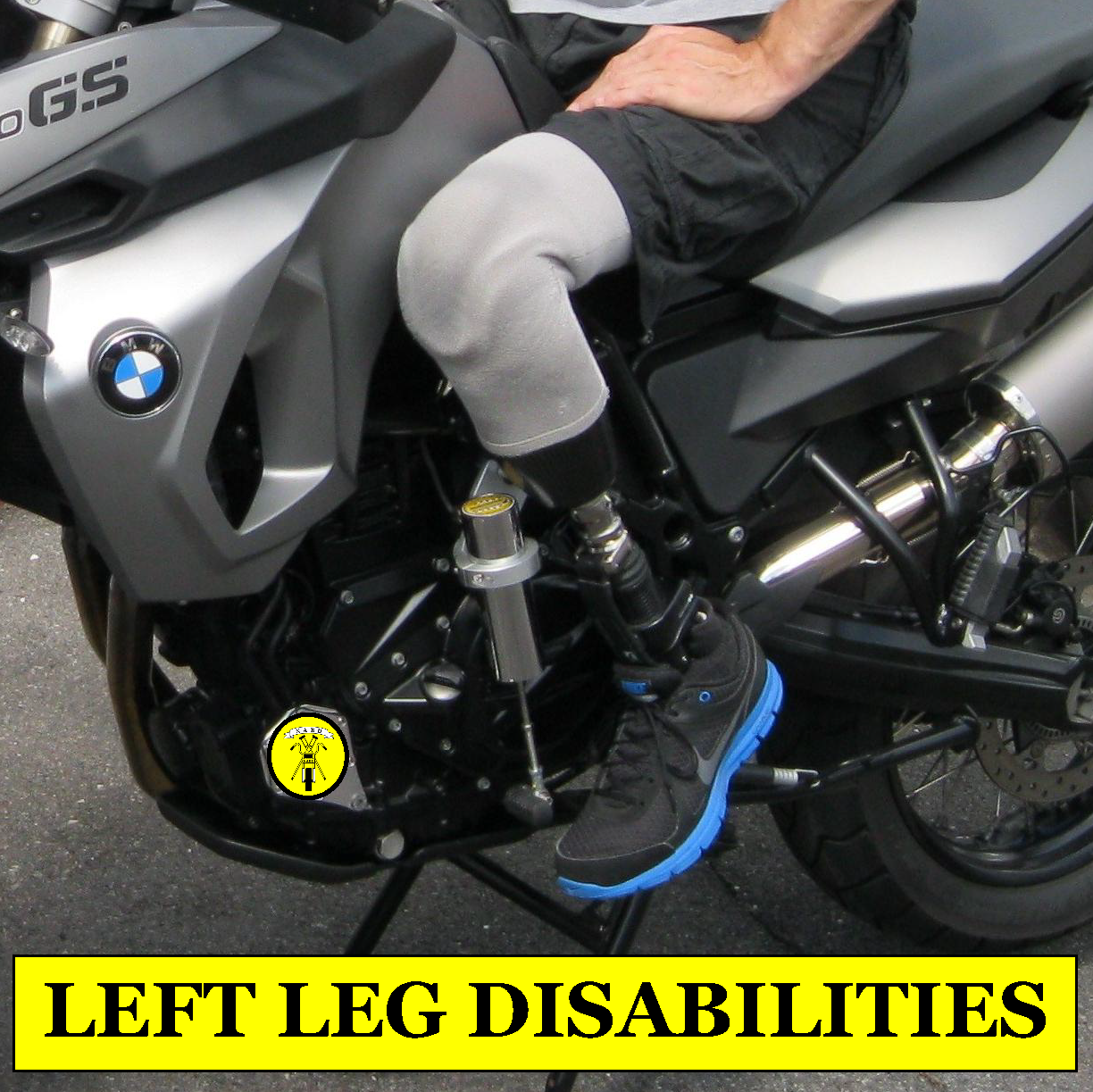
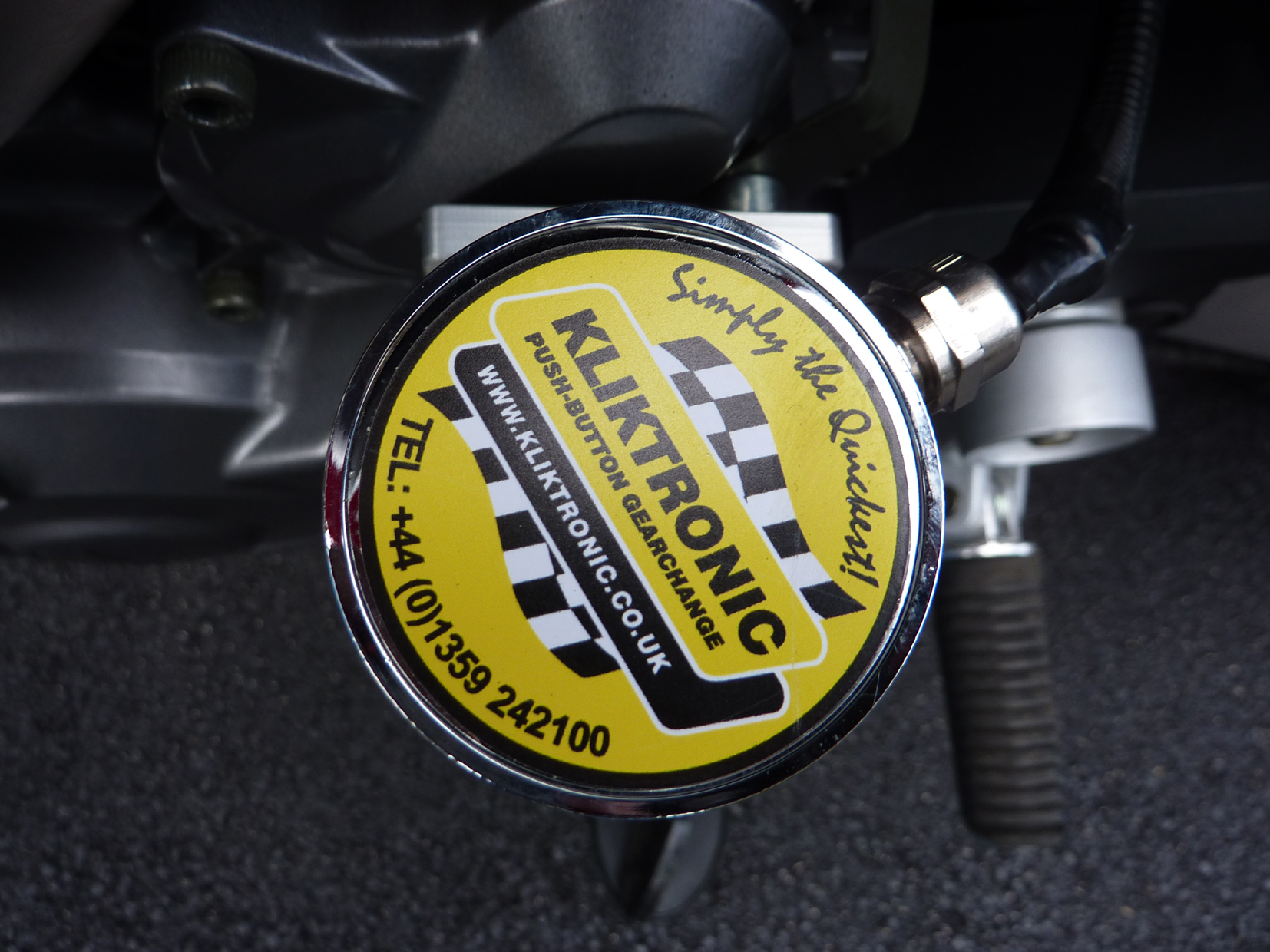
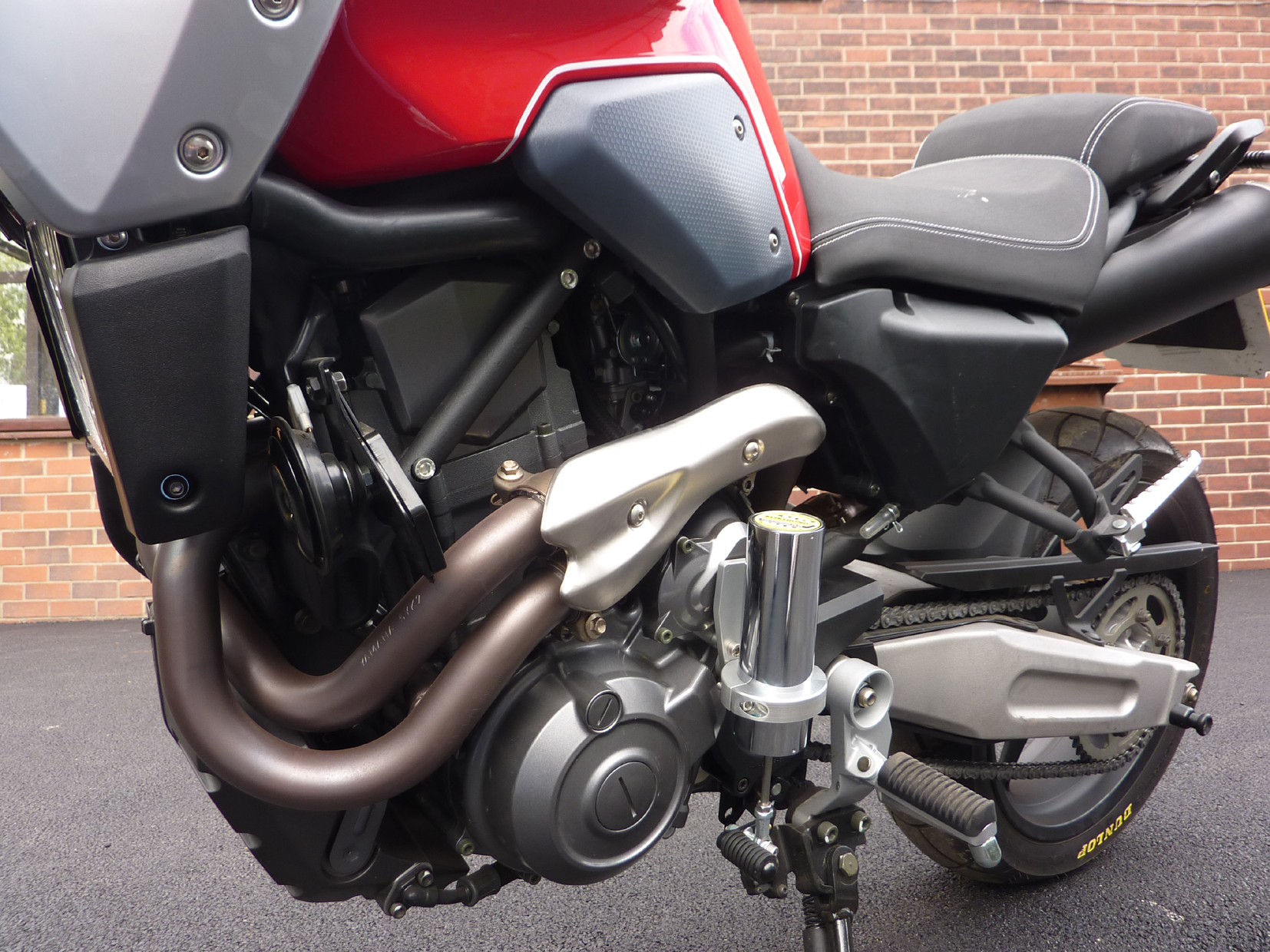
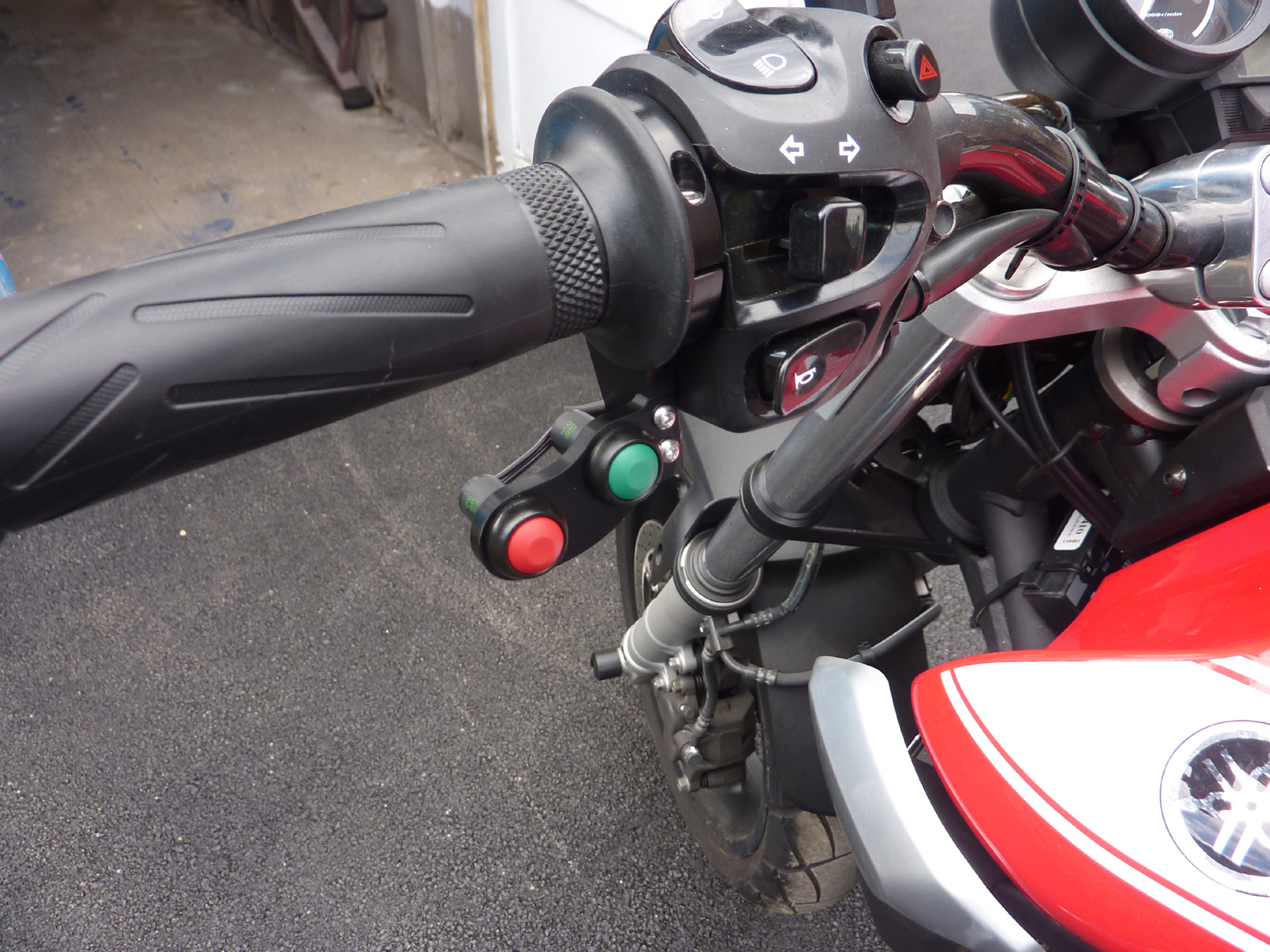
Where a disability effects the left leg it can make the standard motorcycle gear-change pedal difficult or impossible to use. The most popular solution today is the Kliktronic Gear-Changer. Designed with disabled riders in mind, this electrically operated system allows gear changes to be controlled with thumb switches on the handlebar. It is supplied as a complete kit (except for the mounting backet, which can differ greatly from bike to bike) it is easy to fit, it requires no major modifications to the bike, it can be moved between bikes and is excellent value for money, many NABD members have been using a single unit for 15-years or more.
For more information see: https://www.kliktronic.co.uk
The key benefit of modern systems like the Kliktronic is that they are affordable, simple, reliable, and they don’t look out of place on the bike, keeping riders independent and confident in their adaptations. NB. Other electronic gear changers are available.
Automatic Transmission Conversions
There are also kits available to replace the manual transmission clutch basket in some models of motorcycle which converts them to a fully automatic transmission.
• Rekluse auto clutch conversion. https://www.rekluse.com/
• EFM auto clutch conversion. https://efm-auto-clutch.square.site/ NB. Other clutch conversion kits are available.
Another option is to use motorcycles that are available with an automatic or semi-automatic transmission variant:
The Honda Dual Clutch Transmission (DCT) system that is available on a range of Honda models and it is eminently suited to the needs of motorcyclists with disabilities affecting the left leg, as is newly emerging Honda e-clutch.
• Honda models available with the DCT system https://www.honda.co.uk/motorcycles/experience-honda/dual-clutch-transmission.html
• Honda models available with the e-clutch system https://www.honda.co.uk/motorcycles/experience-honda/e-clutch.html
NB. Most current models of electric motorcycles do not require any manual clutch control due to having a single ratio transmission.
Footpegs:
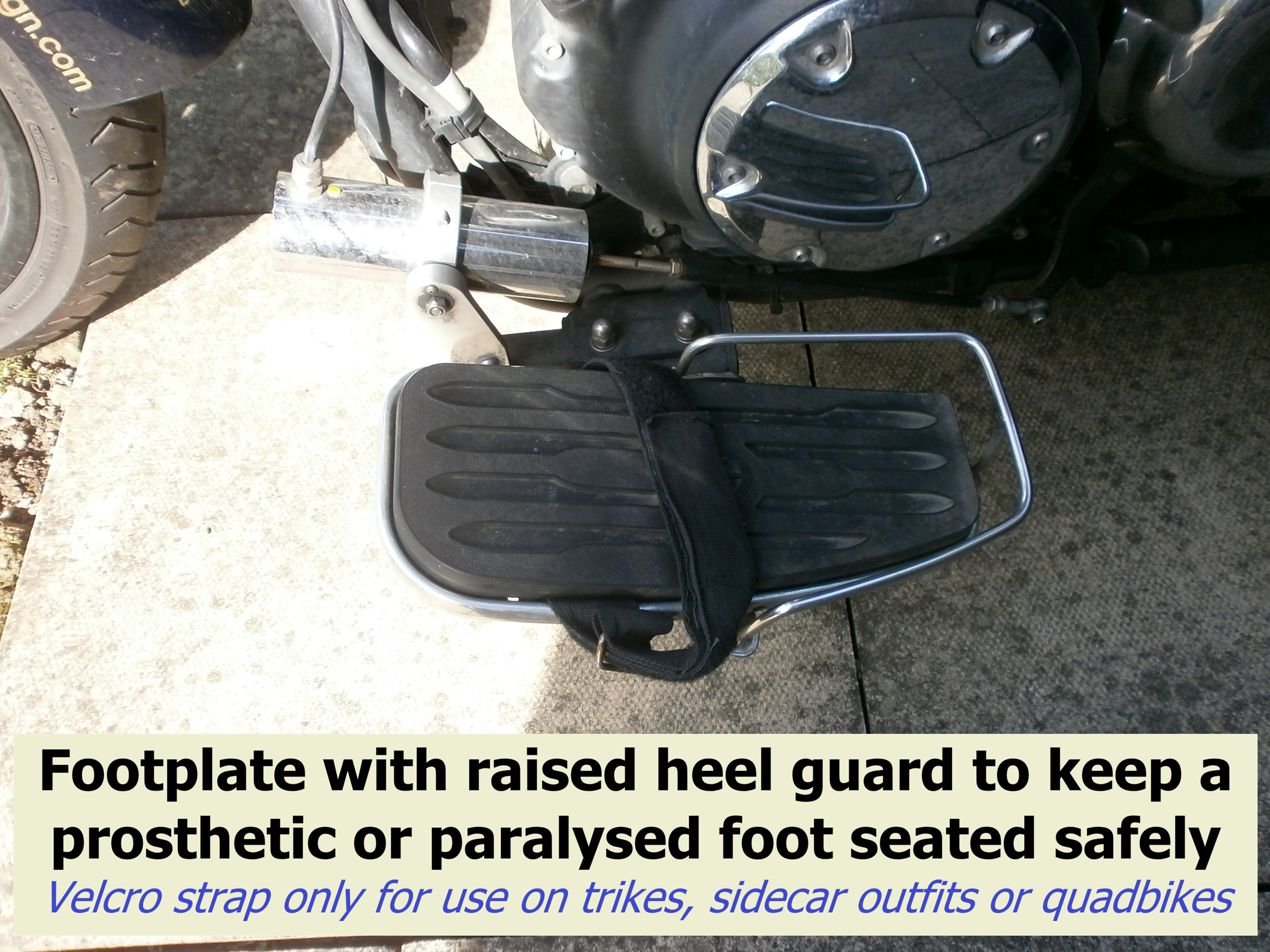
Where a right leg disability involves a below knee amputation or any other condition that can interfere with the sensory feedback from, or special awareness of, the left foot, we strongly recommend the standard footpeg is replaced with a footplate that supports a greater proportion of the foot, to avoid the risk of it slipping off a standard footpeg and contacting the road surface and/or moving parts of the motorcycle, with potentially disastrous results.
If further stability may be required, we recommend the use of footplates fitted with a raised heal rim, (or a raised rim around the front of the footplate for some sport bikes). The raised rim serves to further ensure the foot remains stable on the footplate.
NB. Never secure a prosthetic leg to a motorcycle in such a way that it cannot naturally separate from the bike in the event of an accident. Being physically connected to a heavy motorcycle after impact, or when the bike has been dropped, could greatly increase the potential for serious injury!
Additional Concerns:
For information relating to Above Knee Amputations and/or other disabilities affecting the weight-bearing strength, range of function or ability to stabilise a stationary motorcycle safely, efficiently and comfortably, see the ‘Above Knee Amputees & Additional Concerns’ article.
Rick Hulse
NABD Chairman

Reviews
4.9 Star rating
The new Zeffy membership portal!
Hi, thanks for looking at the new NABD website, we hope you find it informative, interesting and helpful, we’d love to hear your feedback! As part of the new web [...]
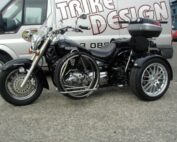
The End Of An Era
Two legendary trike builders close their doors, ending a remarkable chapter in the history of adapted motorcycling.
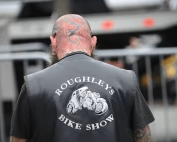
Roughley’s Bike Show 2025 – A Triumphant 25th Anniversary
Roughley’s Bike Show celebrated 25 years in style raising £33,000 for charity and presenting NABD with a generous £2,500 donation in support of disabled riders.
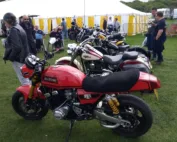
30th and Final “You’ve Been Nabbed” Rally
The landmark 30th rally was held at the Royal Cheshire Showground in early May 2023. It was a grand send-off, drawing around 3,000 attendees for live music, comedy, trade stands, [...]
Media Coverage Reflects the Rally’s Legacy
Motorcycle News (MCN) provided detailed coverage of the final rally in March 2023, highlighting its festive atmosphere and NABD’s strong legacy of supporting disabled motorcyclists.