Driven To Despair
For more details, the full report is available on the NABD website, or you can contact us at office@thenabd.org.uk for a copy.
DVLA News
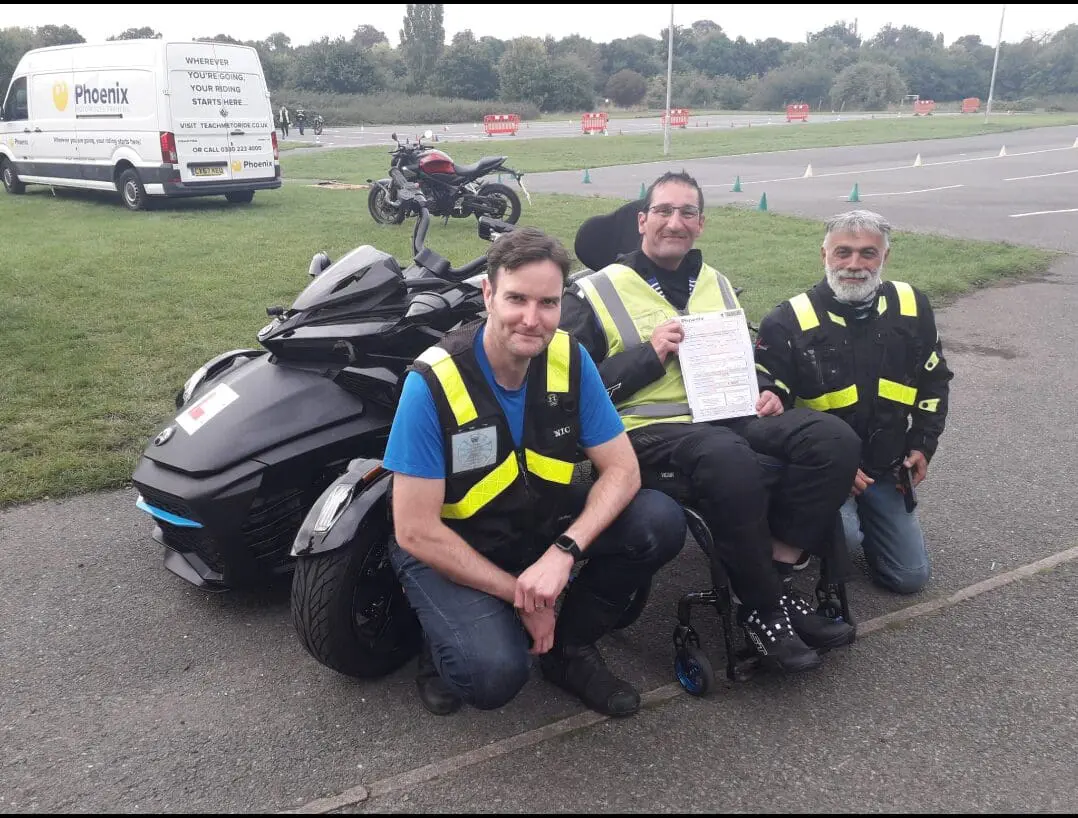
Biking Freedom Regained for paralysed rider
Regaining Freedom Through Motorcycle Adaptation A paralysed rider motorcycle adaptation has once again demonstrated that disability does not have to mean the end of motorcycling. After being paralysed from the chest down, this determined rider [...]
Motorcycle adaptations for disabled riders
How Motorcycle Adaptations Make Riding Possible Motorcycle adaptations for disabled riders make it possible for many people to continue riding safely and confidently despite physical limitations. A disability does not automatically prevent someone from enjoying motorcycling. With the correct assessment and professional modifications, riders can adapt controls, seating and stability [...]
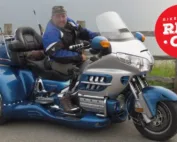
NABD helping bikers with disabilities get back on the road
Specialist Adaptations Restore Riding Freedom Disabled bikers get back on the road thanks to specialist motorcycle adaptations and the continued support of organisations such as the NABD. A recent feature by Bikesure highlights how tailored modifications allow riders with mobility impairments, limb differences and balance limitations to return to motorcycling [...]
Biker left paralysed after being hit by careless driver
A report on a rider who was severely injured and paralysed in a crash, highlighting the dangers for bikers and the life-changing consequences of accidents. digbybrown.co.uk
Executive Summary
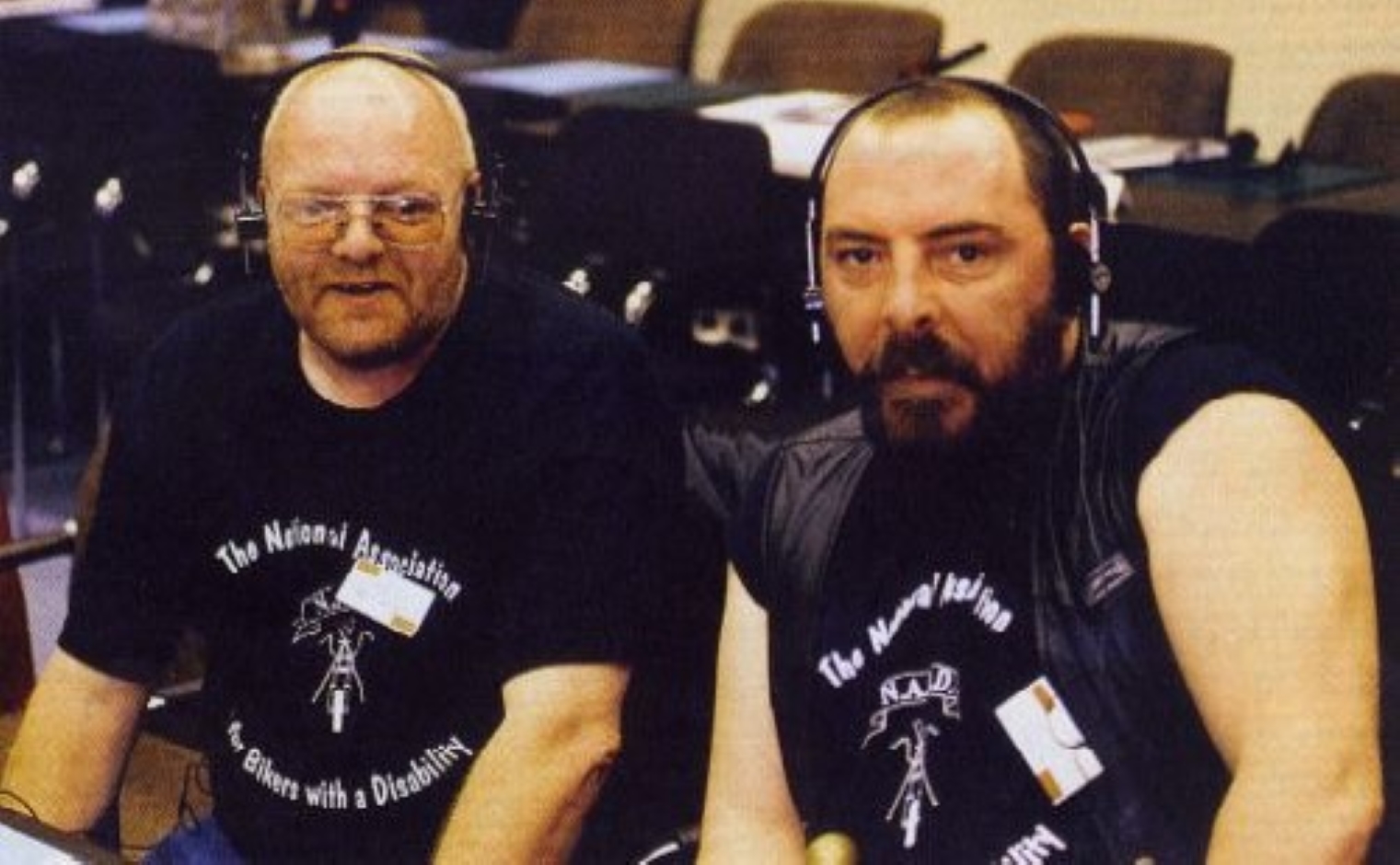
DVLA FAQ’s
The DVLA does not require a declaration for bike modifications unless the adaptation is due to a medical condition, in which case the condition itself must be declared. Insurers, however, always need to know about adaptations.
The time it takes can vary greatly but lately they seem, to be taking longer than ever. Even a very straightforward case may take more than a month. More complex cases, or those requiring additional medical evidence or assessments, can take much longer. When you have submit a DVLA medical declaration, you can continue driving or riding as normal unless you have been specifically told not to by a medical professional.
The full report titled “Driven to Despair” is available for download on the NABD website. You can also contact the NABD office at office@thenabd.org.uk to request a copy or ask for further information about the investigation and its recommendations. See more > Driven to despair
Yes we can. The NABD offers advice and support to riders who face undue delays or believe they are being treated unfairly by the Driver’s Medical Group at the DVLA. We can guide you through the appeal process or assist with submitting coherent complaints to ensure you are treated fairly and, when necessary, we can arrange an assessment, which can then be used as evidence to help the DVLA reach the correct decision. We can also offer an advocacy service, dealing with the DVLA on your behalf (requires written permission from the subject). What we will not do, is support a case where the individual concerned is unfit to ride on public roads.
While the DVLA Driver’s Medical Group (DMG) say they always aim to make decisions promptly, delays often occur due to a shortage of trained staff. Complex cases, or those in need for further medical evidence can be quite tortuously slow. It is not uncommon for some cases to take many months or, in extreme cases, several years to resolve.
The Driver’s Medical Group (DMG) at the Driver and Vehicle Licencing Authority (DVLA) is responsible for evaluating individual drivers and/or riders with medical conditions, including disabilities, and determining whether or not an individual will be safe to continue driving and/or riding. If you are unsure whether or not you need to inform the DMG about an illness, condition or disability you can check the current A-Z list at; https://www.gov.uk/health-c… Finding your illness, condition or disability on this list, does not mean your licence is in jeopardy, it simply means you are legally obliged to inform them of your illness, condition or disability. In the vast majority of cases, there is nothing at all to worry about.