Adaptation Kits
FAQ’s
In most cases, yes. Many adaptation kits can be transferred to a new motorcycle, depending on compatibility. NABD can help advise on reinstallation or reconfiguration.
Absolutely. NABD supports adaptations for all types of machines, including trikes, scooters, and sidecar outfits. Every project is assessed on what will make the rider safest and most comfortable.
You can apply by completing the NABD Adaptation Grant Form, available on the NABD website or by contacting the NABD office directly. Once your application is received, the technical team will review your needs and help coordinate with an approved engineer or fabricator.
Costs vary depending on the complexity and type of conversion. Some simple adaptations are a few hundred pounds, while full custom setups can cost more. NABD can often provide full or partial funding for the adaptations through its Grant Scheme, depending on circumstances.
Common examples include:
- Thumb or finger throttles
- Foot or knee-operated gear changers
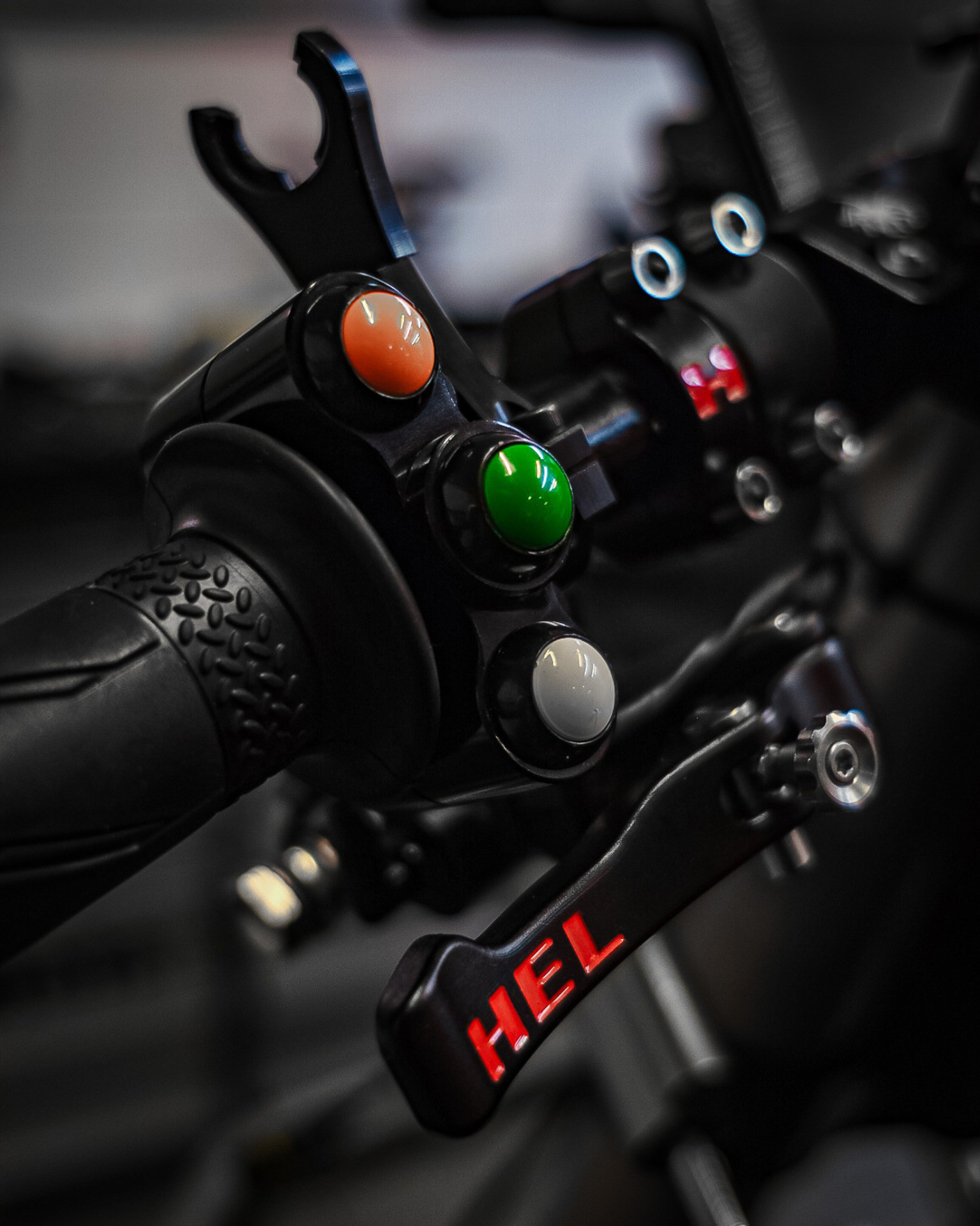
- Electric gear shift systems
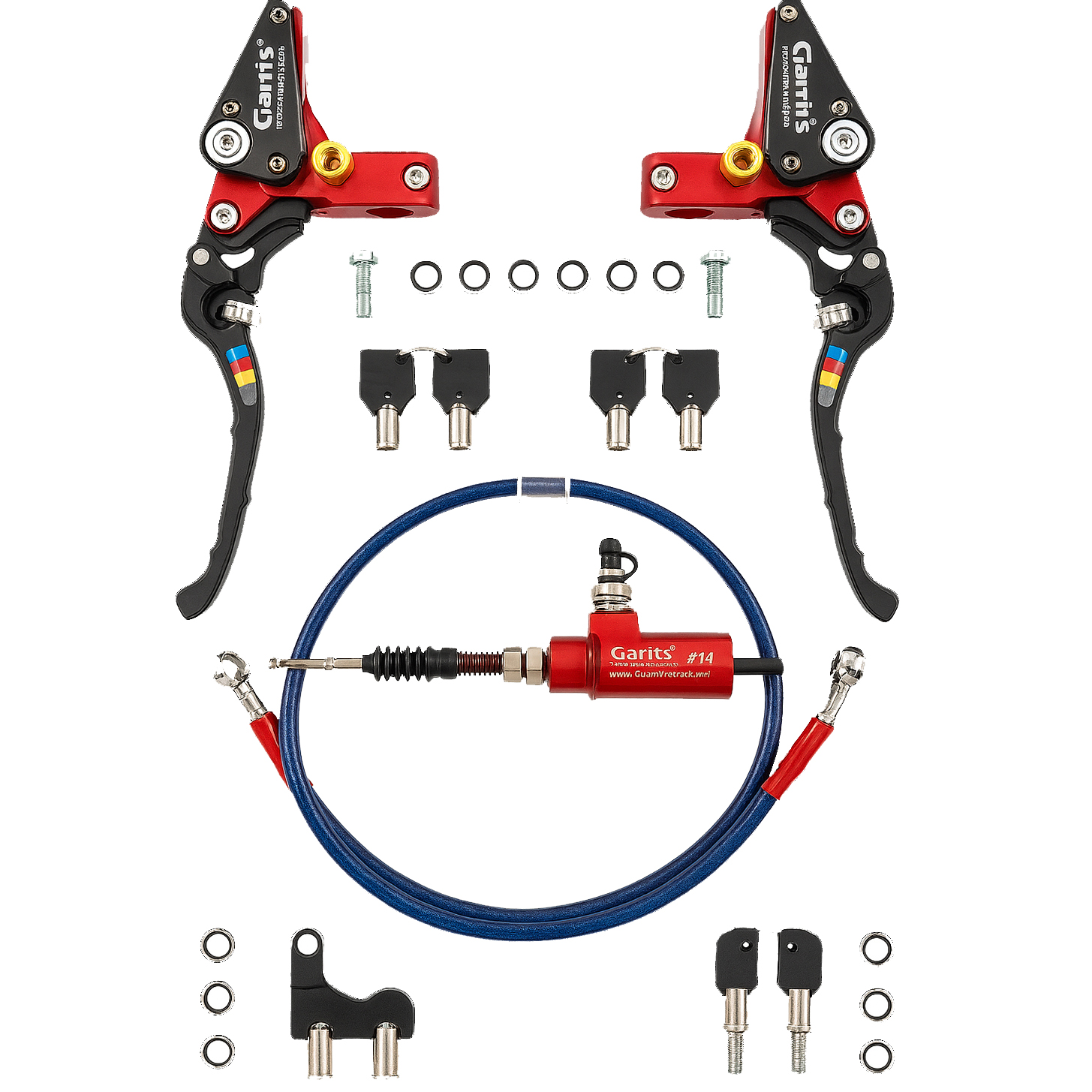
- Hydraulic clutch conversions
- Linked or hand-operated rear brakes
- Stabiliser wheels for balance support
Each setup is assessed individually to match the rider’s needs and the bike type.
No, NABD’s grant schemes and technical assistance are open to any disabled rider in the UK, regardless of membership. However, joining the NABD helps support the charity’s ongoing work and provides extra benefits to you and the riding community.
Any rider with a disability that affects their ability to use standard motorcycle controls can apply. NABD assists riders of all experience levels – from first-time learners to seasoned motorcyclists returning to the road after injury or illness.
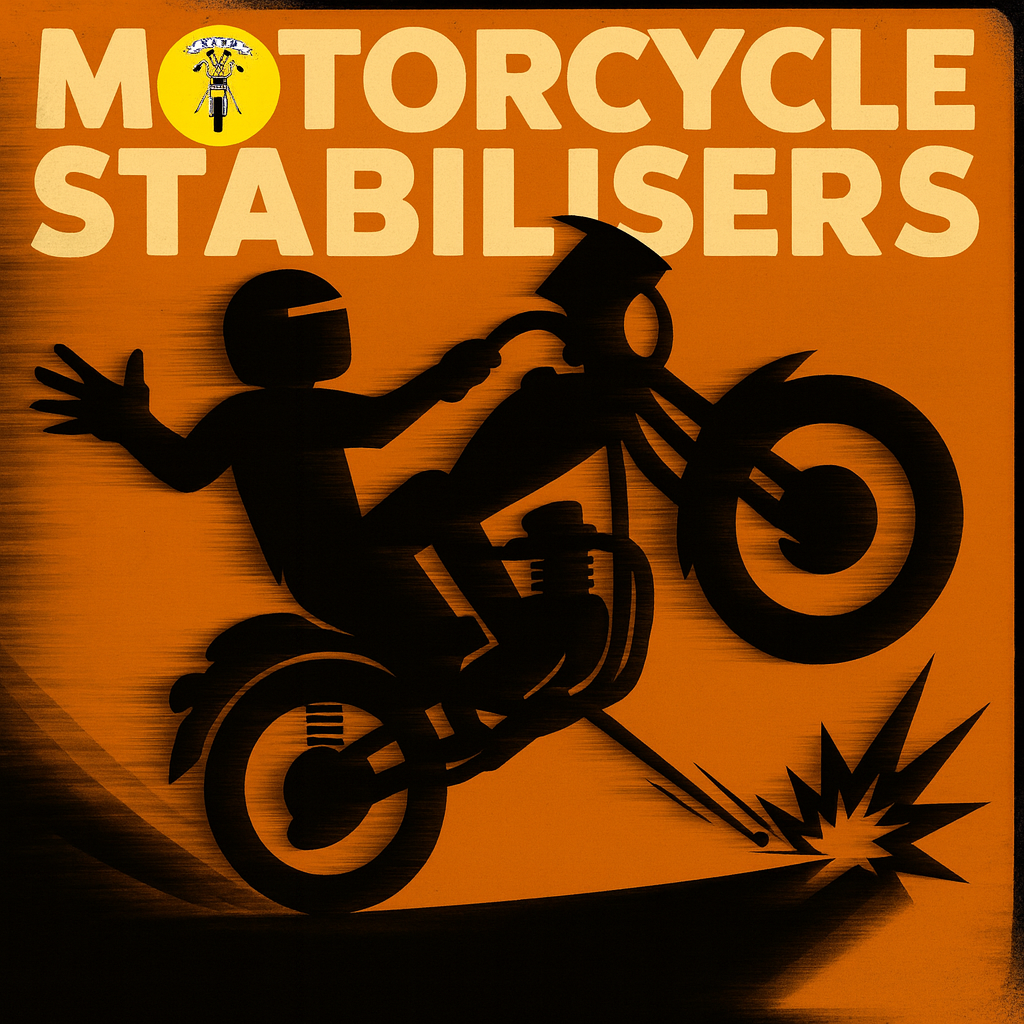
Motorcycle stabiliser systems have existed in various forms for several years, but unfortunately, none currently available are suitable or safe for use on public roads by paraplegic riders — or by anyone unable to rely fully on placing a foot down in the event of a system failure.
For stabilisers to be genuinely safe for road use, they would need to include a fail-safe backup mechanism to lower them in the event of electrical or mechanical failure. They would also need to be capable of handling uneven road surfaces, including potholes, raised manhole covers, and varying camber angles — all of which present serious challenges for existing systems.
Some paraplegic riders and amputees have used stabiliser systems successfully on race circuits, where track conditions are consistent and smooth, and assistance can be prearranged in the event of a failure. However, these same systems are not practical or safe for uncontrolled environments such as public roads.
While we hope that one day a manufacturer will develop a reliable, road-safe stabiliser system suitable for paraplegic riders, that technology does not yet exist. Until then, attempting to ride a solo motorcycle using stabilisers on the road would present unacceptable safety risks, as even a single malfunction could lead to catastrophic consequences.
There are specialist companies that can custom-make or adapt motorcycle clothing to accommodate a wide range of disabilities, ensuring comfort, safety, and practicality without compromising protection.
Many bespoke motorcycle clothing services can modify both leather and textile garments to suit individual needs — such as adapting fastenings for easier use, adjusting fit to accommodate prosthetics, or tailoring garments for seated positions.
When looking for a provider, it’s often best to choose one that has experience working with disabled riders or employs staff who understand the specific challenges involved. Some UK-based companies specialise in this type of work and can adapt most standard motorcycle gear to suit your requirements.
If no local option is available, several international custom clothing manufacturers also offer adaptation services and may be able to work from detailed measurements or existing garments.
As with any modification or adaptation, it’s a good idea to discuss your exact needs directly with the supplier to ensure the finished clothing is both safe and comfortable for your riding style.
If you have reduced strength in your left arm or hand, operating a heavy clutch can be challenging — but unfortunately, the EZ Clutch kit is unlikely to make much difference on a large-capacity motorcycle such as a BMW. These units tend to work best on smaller machines (typically 50cc–400cc), and even then, results can vary.
Before investing in any major modifications, it’s worth going through a simple process of elimination to rule out mechanical causes for the heavy clutch feel:
-
Check the cable adjustment and routing — make sure it’s set up correctly for smooth operation.
-
Clean and grease the barrel ends of the cable where they seat in the lever and clutch arm.
-
If it’s a Teflon-lined cable, it shouldn’t need lubrication. However, if it’s an older non-lined cable, applying a light oil can sometimes improve the action.
-
If there’s still stiffness or resistance, the cable itself may need replacing.
If that doesn’t help, the next step is to inspect the clutch mechanism. Excessive wear on the clutch plates or damaged or misaligned springs can significantly increase clutch effort. In such cases, it’s best to have the system checked by a BMW dealer or specialist workshop.
If the clutch assembly is functioning correctly but you still struggle due to your disability, then your best options are:
-
Converting the clutch to a hydraulic system, which dramatically lightens the lever effort; or
-
Switching to a Honda DCT (Dual Clutch Transmission) model, which eliminates the need for a manual clutch altogether. The DCT system is smooth, reliable, and does not compromise performance.
If cost is a concern, the NABD Adaptation Grant Scheme may be able to help with funding for hydraulic conversions or adaptive motorcycles.
Carrying a pillion passenger with an above-knee amputation can be done safely, but it does require a few important adaptations and precautions to avoid serious risks.
The main danger arises from the prosthetic foot slipping off the footpeg while travelling. If the prosthesis catches on moving parts of the bike or contacts the ground, the result can be extremely dangerous, and such incidents have occurred in the past.
The simplest way to prevent this is to replace the pillion footpegs with footplates. The footplate on the prosthetic side should ideally have either:
-
A raised rim around the heel and toe areas, or
-
A light Velcro strap to hold the foot in place.
If using a strap, it’s crucial that it be light enough to separate in the event of an accident or if the bike is dropped, to avoid causing further injury.
Comfort is another key consideration. Depending on the type of prosthesis and the level of amputation, the standard footpeg position may be too high or awkward. In such cases, it can be lowered using a custom adapter plate, avoiding any need for frame welding and allowing for easy reversal to standard when selling the bike.
Because many amputees experience lower back strain due to changes in gait and posture, fitting a pillion backrest with lumbar support can also improve comfort and stability.
If the cost of these adaptations is a concern, the NABD Adaptation Grant Scheme can help cover expenses for pillion passengers with disabilities, just as it does for riders.
Finally, remember that the rider is legally responsible for the safety of any pillion passenger. It is therefore essential that all necessary adaptations are in place before carrying a disabled passenger to ensure both comfort and safety on the road.
Unfortunately, there are no companies currently offering conversions that turn standard motorcycles or trikes into true ride-from-wheelchair (RFW) machines.
Apart from the limited and rather basic 125cc Nippi trikes, the only production RFW motorcycle that ever reached the market was the BMW-based Martin Conquest. However, it was extremely expensive and over-engineered, leading to its discontinuation in the UK. While the Conquest may still exist in small numbers in the USA, importing one is strongly discouraged — servicing and spare parts are now almost impossible to source, and repairs are very difficult.
For riders who cannot transfer independently between a wheelchair and the bike, the only current motorcycle-based RFW option is the Chairider. This is a custom-built motorcycle/sidecar combination designed for the rider to remain seated in their wheelchair within an accessible sidecar. All steering and controls are mounted in the sidecar, with the motorcycle acting purely as the power unit. Each Chairider is built to order and is expensive, but it remains the only viable RFW solution available at present.
If, however, you can transfer independently, then standard trike conversions and adaptations become much more practical and affordable. Several established trike-building companies can provide suitable adaptations depending on your needs.
The NABD (National Association for Bikers with a Disability) offers Adaptation Grants to help with the cost of modifications, up to a maximum of £2,000, subject to individual assessment.
Finally, if you are approached by anyone claiming they can build an RFW trike, be extremely cautious. Always check their credentials thoroughly and never pay large sums upfront — there have been unfortunate cases where riders have lost money to unverified builders.
If you are a right above-knee amputee and need to adapt your rear brake for hand operation, you’ve likely considered using a thumb-operated brake. However, many riders find that the twin-lever system is a more efficient and flexible alternative.
A common issue with thumb brakes is limited clearance between the left switch cluster and the fuel tank, especially on bikes with compact handlebar layouts. You might be considering options such as choosing another bike, fitting different handlebars, or adding a steering stop limiter to create space — but before going that route, it’s worth exploring other brake control systems.
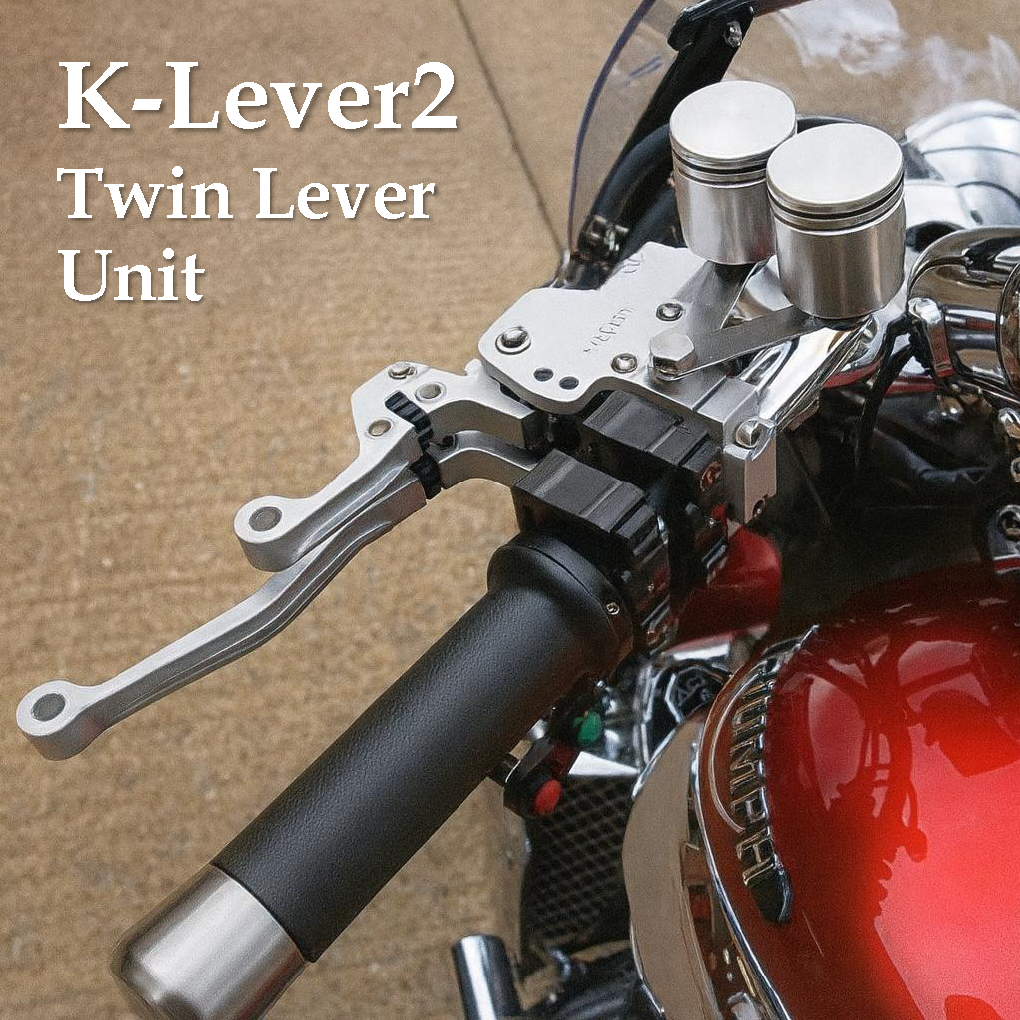
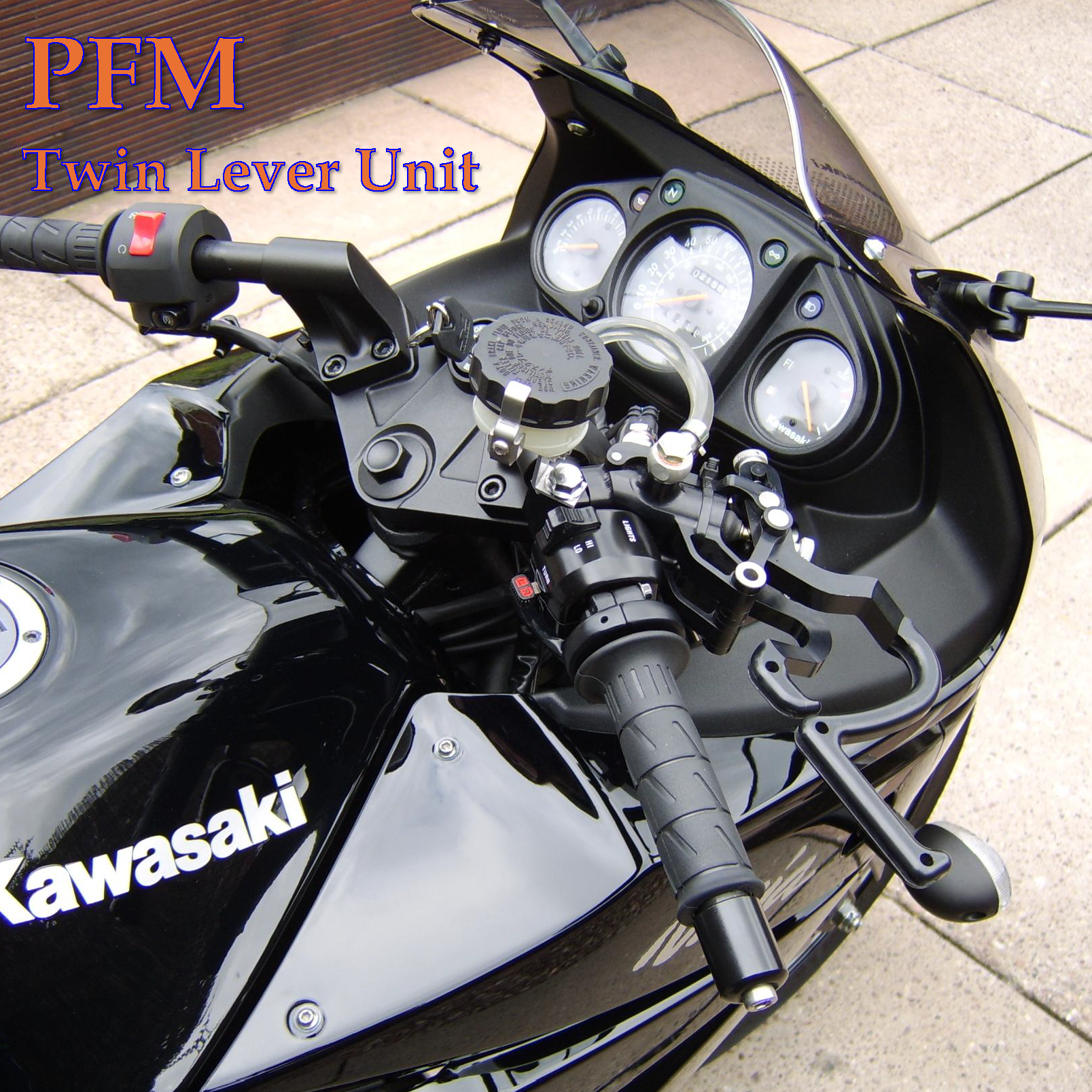
In practice, twin-lever units (such as the K-Lever2 or PFM twin-lever systems) are generally more efficient, easier to use, and more popular among adaptive riders. These units can be installed on short or long handlebars, on either side, and can be configured for hydraulic or cable systems. They also typically eliminate clearance problems, since they don’t protrude toward the fuel tank like many thumb brakes do.
If you still prefer a thumb-operated brake, make sure that the model you choose is capable of operating the brake system to MOT standard. Some units are designed mainly for track use and may not meet the requirements for road legality.
Finally, if you need financial assistance with the cost of adaptations, the NABD Adaptation Grant system may be able to help.
If you have limited movement in your knee and are considering a Suzuki Burgman or a similar scooter so you can keep your feet forward, you can absolutely complete your Direct Access Scheme (DAS) on an automatic machine — but there are some important distinctions regarding the licence category you’ll receive.
You can use a Suzuki Burgman 650 for your DAS training and test. Because the Burgman 650 has an automatic transmission, passing your test on it will give you a full Category A motorcycle licence, but it will be restricted to automatic motorcycles only.
The Honda Forza 750 also qualifies for the DAS and would result in the same outcome — a full Category A (Automatic Only) licence.
If you choose to do your test on a Suzuki Burgman 400 or a Yamaha T-Max, you would instead qualify for a Category A2 motorcycle licence, again restricted to automatic motorcycles only.
An A2 Automatic licence limits you to machines producing no more than 35kW (47bhp) and a power-to-weight ratio not exceeding 0.2kW/kg.
If you want more flexibility in the long run, it might be worth looking into motorcycle adaptations that allow forward footpegs and relocated foot controls. These modifications can make a manual motorcycle more comfortable for riders with knee limitations and open up a much wider choice of bikes.
If you have a paralysed arm due to a Brachial Plexus Injury (BPI) and ride an adapted trike, there are a few safe and practical options for managing your arm while riding. The most common approach among BPI riders is to tuck the paralysed arm into a pocket, although many find that using a BPI sling inside the jacket is even better. A sling helps to support the shoulder, which can ease some of the pain often associated with BPI.
Because paralysis usually leads to loss of muscle mass and reduced blood flow, the affected arm is also much more sensitive to cold. Keeping the arm inside your jacket helps protect it from wind-chill and maintains comfort on longer rides.
From a legal perspective, you will not be breaking any laws by riding with your arm in a pocket or a sling, provided your trike is properly adapted for safe operation with your functional arm and both feet. While some riders report being stopped by the police out of curiosity or misunderstanding, a polite explanation of your disability and the trike’s adaptations is usually sufficient. If any issues persist, you can refer the officers to the NABD (National Association for Bikers with a Disability), who can help educate them about BPI adaptations.
As for attaching the paralysed arm to the handlebar with Velcro, this is purely a cosmetic choice and offers no functional benefit in cases of complete paralysis. Whether you do so is entirely up to you—it’s not a legal requirement or a safety necessity. What matters most is that you can ride safely and comfortably with your chosen setup.
It has long been NABD policy to recommend a high-quality steering damper, with a large range of adjustment available, as being essential for any rider suffering a significant loss of function or strength in an arm.
A steering damper, adjusted to suite the individual rider, smooths out the sudden ‘snatching’ movement in the handlebars, that can occur when hitting unseen objects, potholes or other unseen hazards in the road, or when traversing uneven terrain when riding off-road.
With correct adjustment it should not affect normal steering to any noticeable extent.
Sadly, cheaper steering dampers generally offer little benefit, and some can even have a negative effect. With steering dampers, you generally get what you pay for.
Rotary steering dampers are often advantageous because they generally require no modifications or welding to the bike, though high-quality rod-and-piston dampers can be equally effective.
In the case of the Africa Twin, the MSC Moto rotary damper is recognised to be pretty much ideal.
Though the NABD cannot officially ‘recommend’ any particular brand or model, for liability reasons, I can say this model has had excellent reports from disabled people when fitted to the Africa Twin. Though we always recommend you do a little research of your own and shop around for the best deal.
If you are resident in the UK, you may be able to get some financial help with the purchase and fitting of a steering damper via the NABD Adaptation Grants system,
NABD works with trusted specialist engineers who have experience modifying bikes and trikes for disabled riders.
Yes, through our grant scheme – offering between £250 and £2,000 depending on the project.
You can visit our Manchester office to try out different setups or consult with one of our recommended engineers.
From thumb-operated brakes to push-button gear changers and full hand controls, we can advise on or fund almost any modification.
Riding motorcycles with a tracheostomy is not uncommon. Generally, a good-quality bandana or light scarf is sufficient to prevent dust and debris from entering the tube.
For riding in heavy rain, using a tracheostomy shower cover can help prevent water from entering the larynx. It may also be beneficial to fit a touring windscreen to the motorcycle, as this reduces direct exposure to wind and rain on the head, neck, and shoulders, while also lessening wind resistance and fatigue.
Tracheostomy shower covers are available in a wide range of types and prices. It’s advisable to try a few inexpensive (under £10) options in a safe, controlled environment—such as the shower at home—to determine which works best. There is no clear evidence that more expensive covers perform better than budget versions.
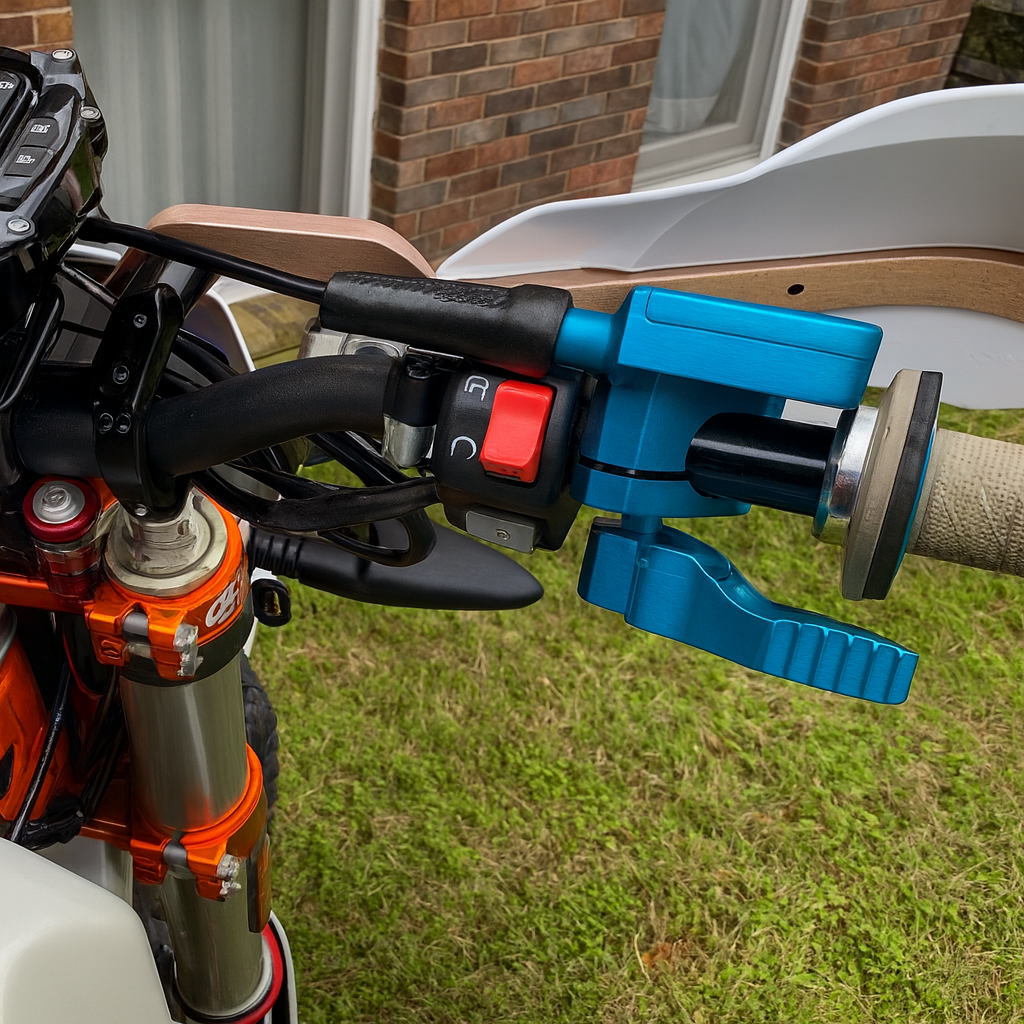
Left-hand throttle adaptations are usually straightforward. The most common method is to use a right-hand twin-cable twistgrip fitted on the left handlebar, with the throttle cable routed through the inlet that allows for twist-back left-hand use and the other inlet sealed to prevent water or dirt ingress. This may require slightly repositioning the left-hand switchgear, but it remains fully functional.
Alternatively, a thumb-operated throttle can be fitted. Many riders with limited right-hand use find a thumb throttle easier to manage, and these are commonly available due to their use on quadbikes and snowmobiles. Both right- and left-hand versions exist, such as models originally designed for snowmobiles that work well on motorcycles.
Any competent motorcycle engineer should be able to carry out this type of modification, though custom motorcycle builders may be more experienced with adaptive work. It’s also worth asking the NABD (National Association for Bikers with a Disability) community for advice or photos of existing conversions. If cost is a concern, financial assistance for adaptations may be available through the NABD.
If you are considering the option of adaptation to forward foot pegs and forward controls on a motorcycle with a manual transmission, most sports and/or street models are not really suited to that type of adaptation.
Cruiser models tend to be by far the best suited to this type of adaptation and the riding position also lends itself better to a feet-forward posture.
I recommend you look at these Category A DAS compliant cruiser models:
• The Honda CMX1100, (which is also available with the excellent Honda dual clutch ‘DCT’ semi-automatic transmission variant).
• The Kawasaki Vulcan 650.
• The BMW R18.
All of these models have a relaxed riding position as standard, and they have a length and rake that can easily accommodate forward position foot pegs and controls.
Some Bobber style bikes may also allow a reasonable amount of forward foot peg adaptation, such as:
• The Triumph Bonneville Bobber.
• The Royal Enfield Shotgun 650.
• The Moto Guzzi V9.
• BMW R12.
• Harley Davidson 833 Sportster, which is a cruiser/bobber.
Try going round a few dealerships and sitting on some of these cruisers and/or bobbers to see which nearly suit you best, then the chances are, the forward foot peg and control adaptation should complete the job for you.
Sometimes. If you pass your test using specific adaptations (e.g., special mirrors or control layouts), your licence may restrict you to riding with that set-up.
Absolutely. We work with engineers and trusted builders to adapt trikes, sidecars, and bikes for wheelchair users and riders with balance problems. Always check with NABD before committing to a builder.
Yes. NABD provides grants from £250 to £2,000 depending on the work required. These are usually paid directly to the engineer or supplier.
It varies. Simple changes like mirror repositioning may cost very little. More complex adaptations range from £250–£750, while custom builds can cost more. NABD offers grants to help with costs.